How to Maintain Results After Periodontal Treatment
@martinrlpo770

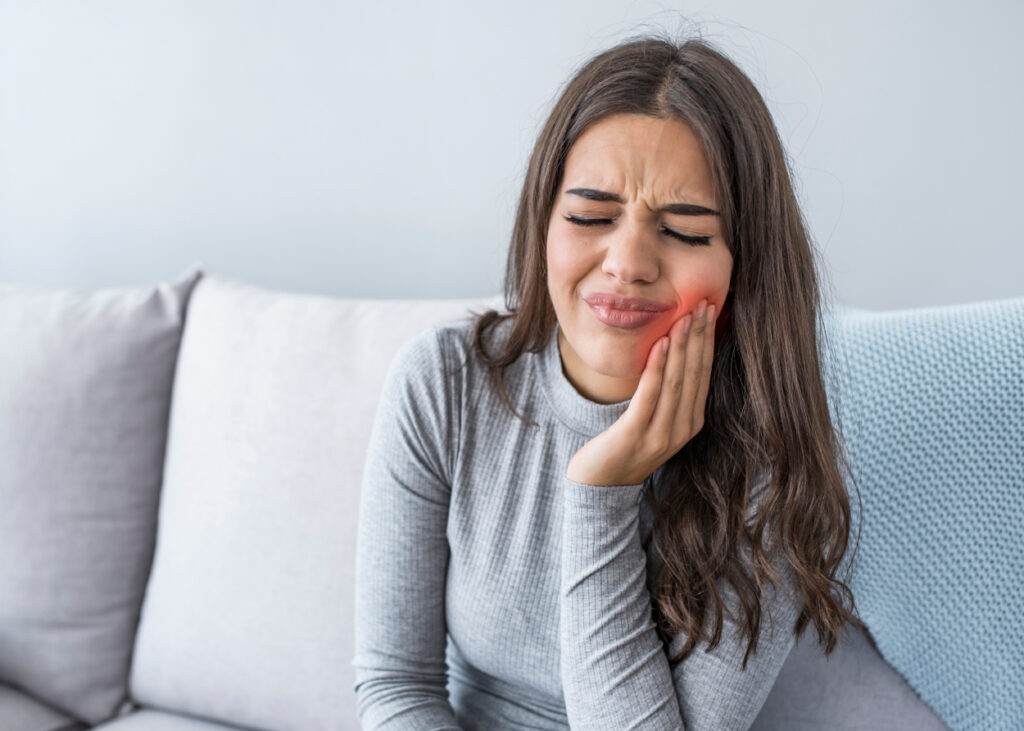
Completing periodontal treatment is a major step, but it is not the finish line. It is the point where maintenance becomes decisive. I have seen patients do beautifully for years after treatment, keeping their teeth comfortable and stable with a sensible routine. I have also seen the opposite, where excellent clinical work slowly unravels because the daily habits and follow-up care never settled into place.
That is the central truth of gum care. Periodontal disease is manageable, but it tends to be persistent. Once the tissues around the teeth have been inflamed and the supporting bone has been affected, your mouth usually needs a higher level of attention than someone who has never had gum disease. The good news is that the habits that protect your investment are straightforward. The challenge is staying consistent when everything feels fine and there is no obvious pain pushing you to act.
What “maintaining results” really means
When people hear that their gums look better after treatment, they often picture a permanent reset. In practice, maintaining results means controlling inflammation so the condition stays quiet. It means keeping bacterial buildup low enough that your gums do not return to the swollen, bleeding state that caused trouble in the first place. It also means watching the areas that are anatomically harder to keep clean, such as deep grooves, crowded front teeth, exposed root surfaces, bridge margins, and molars with furcations, where the roots divide.
Periodontal treatment can include scaling and root planing, localized antibiotic therapy, periodontal surgery, grafting, or a combination of therapies. The exact maintenance plan depends on what you had done and how your tissues responded. Someone who had mild pocketing reduced with non-surgical treatment may need one kind of follow-up. Someone who lost supporting bone and required surgery will need a more vigilant plan. The biology, however, is similar in both cases. Plaque is allowed to mature, the gums react, bleeding returns, pocket depths may increase, and the disease can reactivate.
That is why the phrase “my gums don’t hurt” is not a reliable test. Gum disease can progress quietly. Bleeding on brushing, tenderness when flossing, or a little bad taste in one area may be the first clue, and sometimes even those signs are absent until a clinician measures the pockets and compares them with earlier visits.
The first six months matter more than most people realize
The period immediately after treatment is where patterns are set. Tissues are healing, your cleaning technique is still being refined, and your dental team is trying to determine how often you truly need supportive care. If you let those first months drift, it becomes much easier for old inflammation to return.
Patients often leave treatment feeling motivated, then gradually slide back into rushed brushing and skipped interdental cleaning once the tenderness is gone. That drop-off is common, and it is understandable. The mouth feels better, the urgency fades, and daily life crowds everything else out. The problem is that the bacterial film on the teeth does not care whether your calendar is full.
At this stage, small details have outsized effects. The right brush angle at the gumline, the right size interdental brush for a widened space, and the ability to clean a bridge or under a retainer can determine whether a previously inflamed site stays stable. This is also when maintenance intervals are fine-tuned. Some people can go four months comfortably. Others, especially smokers, diabetics, or people with a history of deeper pockets, do better on a three-month schedule. A six-month recall, while common in general dentistry, is often too long for someone with a true history of periodontal disease.
Home care is where stability is won
Professional care matters, but it cannot compensate for ineffective home care between visits. Think in terms of disruption, not perfection. Your goal is to disrupt plaque thoroughly and regularly enough that it never gets a strong foothold.
Brushing twice a day is the baseline. Technique matters as much as frequency. A soft-bristled manual brush can work very well if used carefully along the gumline, but many patients do better with a quality electric brush because it improves consistency. I often notice that people who “brush hard because they want to be thorough” actually miss the gumline while causing unnecessary abrasion on the tooth surface. Slow down, use light pressure, and let the bristles reach the margin where the tooth and gum meet.
Interdental cleaning is the non-negotiable piece for periodontal patients. Floss can be excellent in tight contacts, especially when it is guided gently below the gumline in a C-shape around each tooth. But floss is not automatically the best choice for everyone. Open embrasures, black triangles, and spaces left after inflammation has reduced are often cleaned far better with interdental brushes. If the brush slides through with light resistance and contacts the sides of the teeth, you have the right size. If it bends immediately or feels painfully tight, it is too large. If it glides through without touching anything, it is too small.
Water flossers can be a useful supplement, especially around braces, implants, bridges, and dexterity challenges. They are not always a complete replacement for mechanical plaque removal, but they can improve gum health when used faithfully. For many people, the winning combination is an electric brush plus an interdental aid that actually fits their mouth and their routine.
Here is a practical daily framework that works well for many patients after Periodontal Treatment:
- Brush thoroughly for two minutes, morning and night, focusing on the gumline rather than scrubbing the middle of the teeth.
- Clean between the teeth once a day using the aid that matches your anatomy, whether floss, interdental brushes, soft picks, or a water flosser as an adjunct.
- Use any prescribed rinse or gel exactly as directed, especially during healing phases, but do not assume mouthwash alone replaces mechanical cleaning.
- Look for changes, including bleeding, puffiness, soreness, or food trapping in one area, and note them before they become established problems.
- Keep your periodontal maintenance appointments even when everything feels normal.
That list is simple on purpose. The most successful long-term routines are usually the ones that can survive a busy workweek, travel, and the occasional low-energy evening.
The role of periodontal maintenance visits
People sometimes think a maintenance visit is just “a regular cleaning with a different label.” It is not. After Periodontal Treatment, maintenance appointments are designed to monitor for recurrence and manage risk in a way that routine cleanings are not. Probing depths may be checked, bleeding points noted, recession monitored, mobility reassessed, and site-specific deposits removed from places that are difficult to reach at home. The clinician is looking for trends, not just debris.
This distinction matters. If you have a history of periodontal disease, the standard six-month prophylaxis model may not be enough. There is good practical reason many periodontists and general dentists recommend maintenance every three to four months in the first year after active therapy. Bacterial communities can repopulate below the gumline relatively quickly, and tissues that have already been damaged do not have the same margin for neglect.
A maintenance visit also gives your team a chance to adjust tools as your mouth changes. If swelling has gone down and spaces have opened, a different interdental brush size may be better. If a crown margin is trapping plaque, that can be identified early. If one molar consistently bleeds despite good effort, the issue may be access, anatomy, or a residual pocket that needs closer attention.
I have seen patients avoid years of progression because one recurring bleeding spot was caught and managed early. I have also seen patients disappear for eighteen months after treatment, then return surprised that several previously stable sites had worsened. Periodontal disease rarely rewards long gaps in supervision.
Why bleeding deserves your attention
Many people have been taught that a little bleeding with flossing is normal. For someone with a history of periodontal problems, it is better to think of bleeding as information. Healthy gums typically do not bleed with gentle brushing and appropriate interdental cleaning. If one spot bleeds repeatedly for several days, something needs to change.
Sometimes the explanation is simple. Food fibers may be wedged between two teeth, a flossing technique may be snapping into the tissue, or an interdental brush may be too large and causing trauma. Often, though, recurrent bleeding signals plaque accumulation and inflammation. If the bleeding improves after several days of careful cleaning, that is reassuring. If it persists, especially in the same place, it is worth contacting your dentist or periodontist rather than waiting for the next routine visit.
There is a useful distinction here between soreness from doing a new cleaning method and inflammation from disease activity. Mild tenderness during the first week of properly cleaning an area that has been neglected is common. That should settle. Ongoing bleeding, puffy gum contours, or a bad odor from one specific site should not be ignored.
Smoking, vaping, and the maintenance problem
If there is one factor that repeatedly complicates periodontal stability, it is tobacco use. Smoking changes blood flow, impairs healing, and raises the risk that disease will continue with fewer obvious signs. Smokers often bleed less than expected, which can make the tissues look deceptively calm. Meanwhile, deeper problems can continue beneath the surface.
Vaping is often treated as a harmless substitute, but from a periodontal perspective, it is not neutral. While the exact long-term effects are still being clarified across different products and use patterns, nicotine itself can negatively affect gum tissues and healing. Patients who have had surgery, grafting, or significant periodontal therapy usually do better when nicotine exposure is reduced or eliminated.
This is one area where trade-offs are real. Quitting is difficult, and many people do not stop all https://pastelink.net/kmcdmej8 at once. But even a candid conversation about frequency, triggers, and timing around treatment can help. A patient who cannot quit immediately may still improve outcomes by reducing use and avoiding nicotine during critical healing periods. Perfect is not required to make progress, but honesty is.
Systemic health can either protect or undermine your results
The mouth does not operate in isolation. Diabetes, especially when poorly controlled, can make periodontal inflammation harder to manage and healing less predictable. Dry mouth from medications can increase plaque retention and change the oral environment. Stress can affect routines, clenching, and immune function. Hormonal changes can alter tissue response. Even seemingly unrelated conditions, such as arthritis, can affect your ability to clean effectively if hand dexterity declines.
For that reason, maintenance after Periodontal Treatment should be practical and individualized. A patient with excellent dexterity and simple spacing may maintain beautifully with a toothbrush and floss. A patient with hand pain may need a powered brush with a larger handle and interdental aids that are easier to grip. Someone taking multiple medications that reduce saliva may benefit from more frequent hydration, saliva-supportive products, and tighter recall intervals.
The point is not to medicalize every detail. It is to recognize that gum stability depends on a system. If blood sugar is high, sleep is poor, stress is intense, and home care becomes erratic, your gums often show it.
Food choices help, but they do not replace plaque control
Patients sometimes ask for a periodontal diet that will “keep the gums healthy.” Nutrition absolutely affects healing and inflammation, but no food can compensate for plaque left undisturbed along the gumline. That said, what you eat can either support recovery or work against it.
A pattern that favors whole foods, sufficient protein, fiber-rich produce, and fewer ultra-processed sugary snacks tends to support oral and overall health. Frequent sipping of sweetened drinks, on the other hand, keeps the mouth in a more hostile state and often goes hand in hand with less mindful oral hygiene. Crunchy foods do not “clean the teeth” in any meaningful therapeutic sense, despite the myth, but a balanced diet can support tissue health and reduce conditions that promote disease.
Hydration matters more than people think. A dry mouth is sticky, uncomfortable, and more prone to plaque accumulation. If medications are contributing, mention that at your maintenance visits. Sometimes the answer is as simple as changing routines, increasing water intake, or using saliva-supportive products.
Restorations, crowding, and anatomy can create trouble spots
Not every relapse happens because someone was careless. Some mouths are simply harder to maintain. Tight lower front teeth can trap calculus. Bridges and splinted teeth create access challenges. Crown margins can be plaque-retentive if they are rough or overcontoured. Root concavities and furcation areas on molars can be difficult even for highly motivated patients.
This is where judgment matters. If one area repeatedly breaks down despite solid effort, the answer may not be “brush better.” Sometimes a restoration needs to be reshaped or replaced to become cleansable. Sometimes orthodontic alignment would improve long-term maintainability. Sometimes a site with persistent deep pocketing needs reevaluation by a periodontist because anatomy is limiting what home care can realistically achieve.
I remember one patient who kept having inflammation around a lower molar despite excellent habits. It turned out the contour of an old crown was creating a shelf that trapped plaque below the contact point. Once the restoration was corrected, the site became much easier to maintain and the tissue calmed down within weeks. The lesson was simple: biology and mechanics often overlap.
Knowing when to call before your next appointment
A stable periodontal patient does not need to panic over every twinge, but waiting too long is a common mistake. Early intervention is usually simpler, less invasive, and less expensive than dealing with a full relapse months later.
These changes deserve a call to your dental office:
- Bleeding from the same area that continues for more than a week despite careful cleaning.
- New swelling, tenderness, or a pimple-like bump on the gum.
- A tooth that suddenly feels loose, high when you bite, or different from the way it used to feel.
- Persistent bad taste or odor from one site.
- Food trapping that starts abruptly where it was not happening before.
That kind of monitoring does not mean becoming hypervigilant. It means paying attention to changes in a mouth you now know has a history.
The emotional side of maintenance is often underestimated
There is another side to this that clinicians do not always say out loud. Patients who have gone through significant Periodontal Treatment may carry a lingering fear that they will lose teeth no matter what they do. Others feel shame because they believe gum disease means they failed somehow. Neither response helps.
Periodontal disease is influenced by many factors, including genetics, immune response, anatomy, smoking, systemic conditions, and the simple reality that life gets messy. The useful question is not whether you should have done everything perfectly in the past. It is what structure you can put in place now so your future care is more reliable.
For some people, that means leaving interdental brushes by the television instead of the sink because they are more likely to use them at night. For others, it means booking the next maintenance visit before leaving the office because otherwise six months becomes twelve. Small behavioral adjustments often protect the clinical results better than bursts of motivation.
What long-term success usually looks like
Long-term success after periodontal therapy is not dramatic. It is quiet. Gums that do not bleed easily. Pocket depths that remain stable over time. Teeth that feel comfortable to chew with. Maintenance visits that stay routine rather than urgent. Occasional setbacks can still happen, especially around hard-to-clean teeth or during stressful periods, but the overall trend remains steady.
That steadiness comes from a partnership. Your dental team removes deposits you cannot reach, tracks changes over time, and intervenes early when a site starts to slide. You handle the daily disruption of plaque and the decision to show up even when there is no pain pushing you to call. Neither side can carry the whole result alone.
If you have recently completed Periodontal Treatment, the best mindset is not fear, and it is not complacency. It is respect for the condition and confidence in a realistic routine. Strong maintenance is rarely glamorous. It is repetitive, ordinary, and remarkably effective. Over time, those ordinary actions are what keep treatment results looking and feeling like they were worth it.
Avra Dental
Address: 1708 S Victoria Ave B, Ventura, CA 93003
Phone number: (805) 941-1001
FAQ About Periodontal Treatment
Can a dentist get rid of periodontal disease?
A dentist or gum specialist (periodontist) cannot fully cure or reverse advanced periodontal disease (periodontitis), but they can successfully stop its progression and manage the infection.
Is periodontitis very serious?
Yes, periodontitis is a very serious, advanced form of gum disease that destroys the bone and tissues supporting your teeth.
How is stage 2 periodontal disease treated?
Stage 2 periodontal disease (early to moderate periodontitis) is primarily treated with non-surgical deep cleaning procedures like scaling and root planing to remove bacteria and tartar below the gumline.